
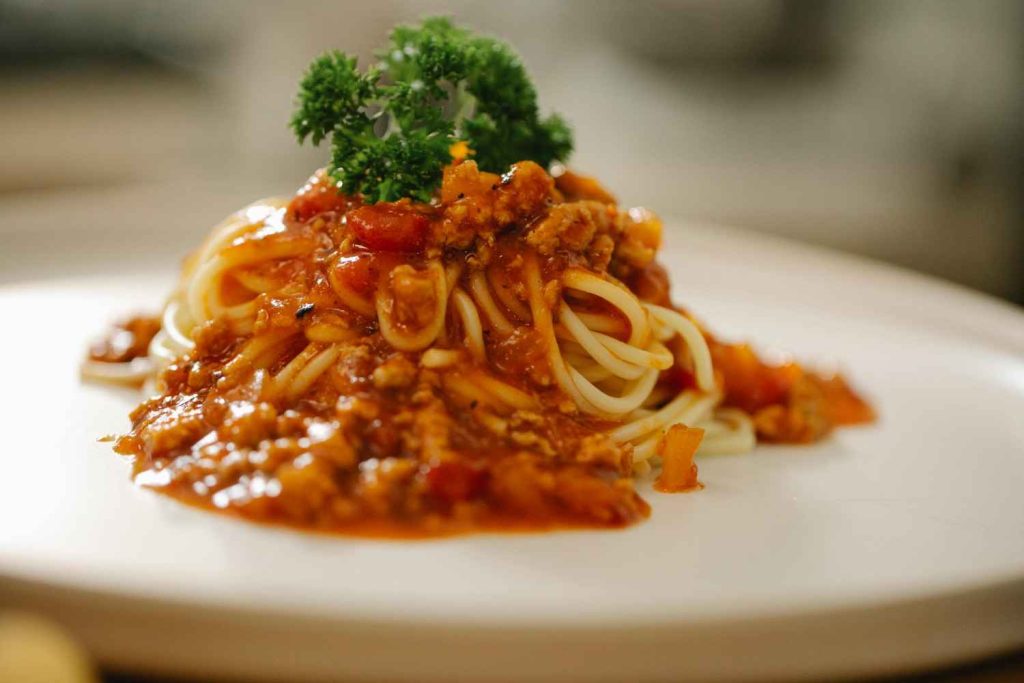

Whenever we try a new dish, it either turns out incredibly delicious or completely ruined. Something similar happened to me when I made Spaghetti all’Assassina in my kitchen for the very first time. I thought I had ruined the pasta because it was sticking to the pan and the smell had spread all over the kitchen. I was just about to throw it away, but then I thought I should taste it once first.
That burnt layer, the caramelized flavor, and its crust are actually the special features of this dish. It comes from the city of Bari in Italy, where people enjoy eating this kind of pasta. I used to think that if pasta sticks, it is ruined, but in this dish, the sticking is actually what makes it special.
Why This Recipe Turns Out Perfect: Tips & Tricks
Making Spaghetti all’Assassina is actually a little different from making other types of pasta. That’s why I made this dish without getting nervous at all. There are a few simple tricks that I’m going to share with you, which will make this recipe much easier to understand and cook.
The dry spaghetti goes straight into the pan: Unlike every other pasta dish, you do not boil the spaghetti first. The raw, dry pasta is added directly to a hot skillet with tomato sauce. This forces the pasta to absorb the sauce as it cooks, instead of absorbing plain water. The starch from the pasta also thickens the sauce from the inside, creating a deeply coated noodle with concentrated flavour in every bite.
The Maillard reaction is your goal: When the pasta hits a very hot, lightly oiled pan, the surface starches undergo browning — the same reaction responsible for a good sear on meat or a proper crust on bread. This is what creates that signature toasty, nutty, slightly bitter edge. Without enough heat, you just get soggy pasta. The pan needs to be hot enough to genuinely scorch.
The chilli is not decorative: Peperoncino, or dried red chilli, is the soul of this dish. It does not just add heat — it balances the bitterness of the char. Without enough chilli, the scorched notes have nothing to push against and the dish tastes flat and slightly burnt rather than complex and layered. I used half the amount the first time and it tasted like a mistake. The second time I used more, and everything made sense.
One mistake I made early on was using a nonstick pan. It felt logical — nothing would stick, right? But a nonstick surface cannot get hot enough to create real browning, and the coating makes you nervous about using proper heat. A heavy stainless steel or cast iron skillet is the only tool that works here.
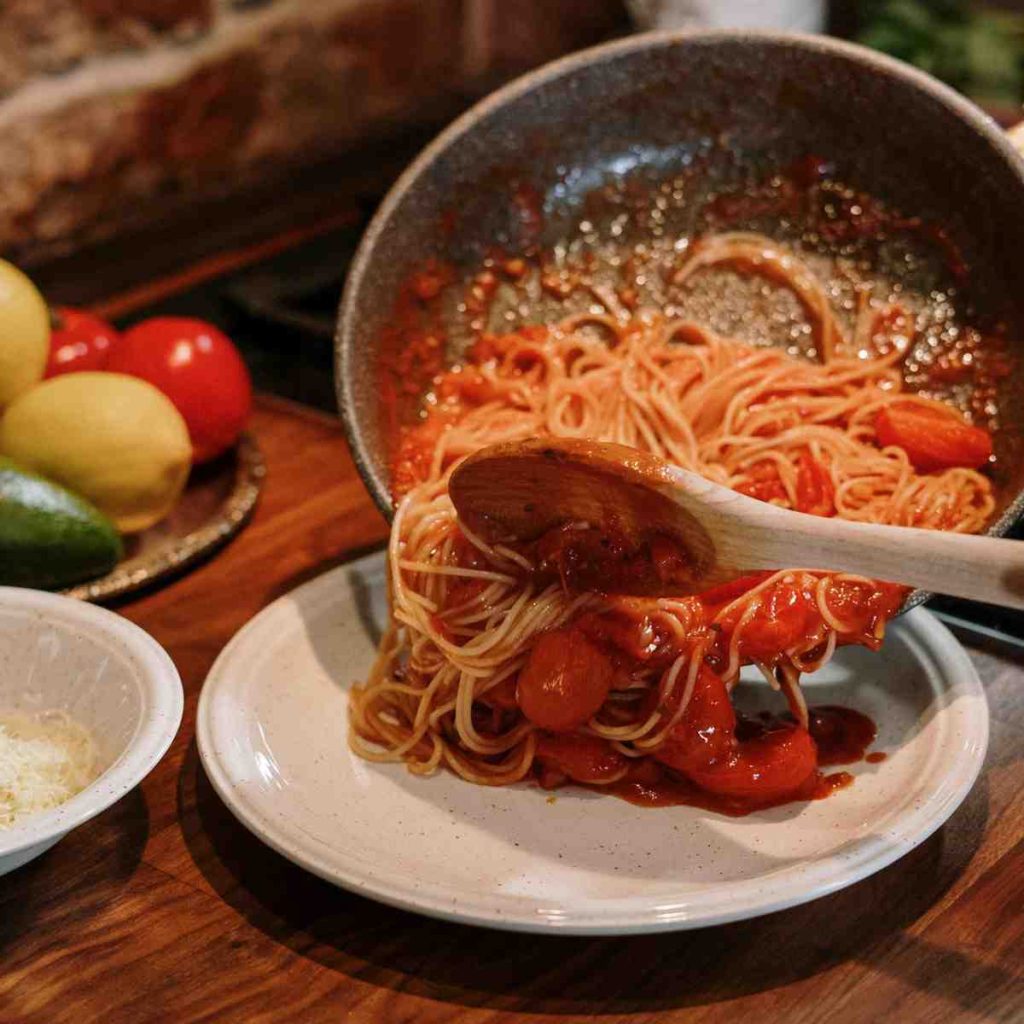
Ingredients For Spaghetti
For the Pasta:
- 200g dry spaghetti (not thin spaghetti — see notes)
- 5–6 tablespoons good quality extra virgin olive oil
- 4 garlic cloves, thinly sliced
- 1 to 1.5 teaspoons dried peperoncino (crushed red chilli), adjusted to your heat tolerance
- 400g crushed San Marzano tomatoes (or high quality canned whole tomatoes, crushed by hand)
- 1.5 cups hot tomato passata or tomato broth (kept warm on the side)
- 1 teaspoon salt
- Fresh basil leaves, to finish
Why Each Ingredient Matters:
Dry spaghetti (standard, not thin): The starch in dry pasta is what bonds with the tomato sauce and eventually creates that caramelised crust. Thin pasta cooks too fast and burns before it can properly absorb liquid. Spaghetti n.5 or thicker is ideal.
San Marzano tomatoes: These have lower water content and higher sweetness than standard canned tomatoes, which matters in a dish where the sauce must evaporate quickly and caramelise. Watery tomatoes make the pasta steam instead of sear.
Extra virgin olive oil: Used generously here, not sparingly. The oil is the medium in which the pasta both fries and absorbs flavour. Do not substitute with a neutral oil — the fruitiness of good olive oil is part of the final taste.
Peperoncino: Dried and crushed, not fresh. Fresh chilli adds moisture; dried chilli adds concentrated heat and a faintly smoky depth that mirrors the char of the pasta. This is non-negotiable for the flavour profile.
Hot passata on the side: You will ladle this into the pan as the pasta cooks, the way you add stock to risotto. Keeping it hot means it does not drop the pan temperature when added, which would stop the browning process.
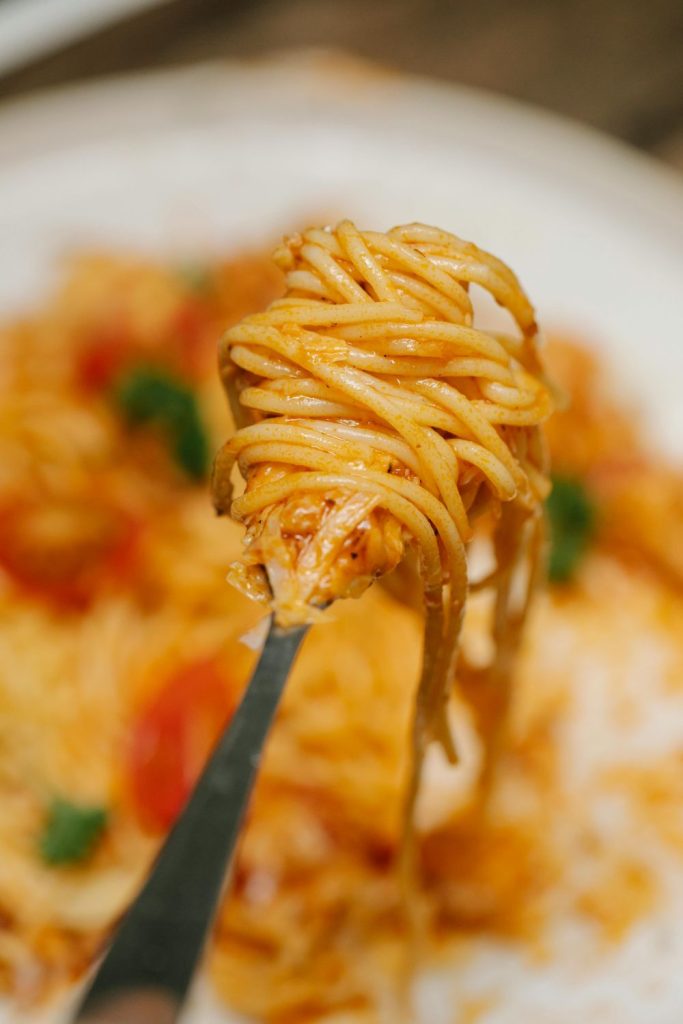
Step-by-Step Instructions
Step 1: Set Up Before You Start
Warm your passata in a small saucepan over low heat. Have everything measured and within arm’s reach before you touch the stove. This dish moves fast and you cannot stop to measure chilli halfway through. I learned this the hard way when I walked away to grab a ladle and came back to overdone garlic.
Step 2: Bloom the Garlic and Chilli
Heat 3 tablespoons of olive oil in a large heavy skillet (at least 28cm) over medium-high heat. Add the sliced garlic and peperoncino. Stir for about 60 to 90 seconds until the garlic is lightly golden at the edges but not browned through. The chilli will darken quickly — this is fine, even desirable. You are building an aromatic base that will flavour the entire dish.
Step 3: Add the Tomatoes and Crank the Heat
Pour in the crushed tomatoes. Increase the heat to high. Season with salt and stir. Let this cook vigorously for 2–3 minutes until it reduces slightly and the oil separates to the edges of the pan. You should see the sauce bubbling aggressively. This is right.
Step 4: Add the Dry Spaghetti
Lay the dry spaghetti into the pan, breaking it in half if needed to fit. Press it down into the sauce with a spatula or tongs. The pasta will not be submerged — that is fine. Add another tablespoon of olive oil around the edges. Now let it sit. Do not stir immediately. Give it 60–90 seconds to begin browning on the underside.
Step 5: The Risotto Method Begins
Once you can see the edges of the pasta beginning to darken, flip or turn sections of pasta with tongs. Add a ladleful of the warm passata. Press the pasta down again. Let it sit and sear. Flip. Add more liquid. This process will take 12–18 minutes in total, depending on the thickness of your spaghetti. You are looking for pasta that is cooked through but has dark, almost charred patches throughout. Taste a strand after 10 minutes to check for doneness and seasoning.
Step 6: Finish and Plate
Once the pasta is cooked to your liking, drizzle a final tablespoon of fresh olive oil over the top and scatter torn basil leaves. Plate immediately. This is not a dish that holds well — the texture is best in the first five minutes off the heat.
Don’t panic when the spaghetti starts sticking
- Do not stir constantly. Spaghetti all’Assassina requires patience and restraint. Let the pasta sit long enough to actually char before you move it. If you keep stirring it like a regular pasta dish, you lose all the browning.
- Turn on your exhaust fan or open a window. It will smoke. Not dangerously, but enough that a smoke alarm at close range is a real possibility. I have set mine off twice.
- Use a wide pan, not a tall pot. Surface area is everything. A wide skillet gives maximum contact between pasta and hot pan, which means more browning potential. A deep saucepan gives you stewed pasta, not scorched pasta.
- Add olive oil more than you think you should. I noticed that every time I made this dish “more healthily,” it was less good. The oil is a structural element, not a finishing touch.
- Make it for two people, not a crowd. Scaling this recipe up is genuinely difficult unless you have a commercial-sized pan. The technique works best in modest quantities.
Common Mistakes (and How to Avoid Them)
Using pre-boiled pasta: This is the most common mistake I see in adapted versions of this recipe. Pre-cooked pasta does not absorb the sauce the same way, and it will turn mushy and fall apart when you try to sear it. The dryness of raw pasta is essential.
Not enough heat: If your pan is not hot enough, the pasta will steam in the liquid rather than fry. You need high heat, especially in the early stages. If things seem too calm and nothing is sizzling, turn it up.
Too much liquid added at once: Adding a full cup of passata at once will flood the pan and drop the temperature dramatically. Add small ladlefuls, the same way you add stock to risotto. Patience here is what separates a good assassina from a mediocre one.
Undercooking because you’re afraid of the char: First-time makers almost always pull the pasta too early out of fear. Dark patches are correct. If your pasta looks a little scary and the kitchen smells slightly smoky, you are probably right on track.
Skipping the resting olive oil at the end: That final drizzle of fresh, uncooked olive oil adds a fruity brightness that cuts through the intensity of everything else. Without it, the dish can feel heavy and one-dimensional.
Variations Worth Trying
With anchovy: Add two or three anchovy fillets to the oil with the garlic. They will dissolve completely and add a deep, savoury, umami note that makes the dish feel even more complex. This is my personal favourite version.
With capers and olives: A handful of brined capers and a few black olives added with the tomatoes turn this into something almost alla puttanesca. The saltiness works well against the bitter char.
Milder heat version: If chilli is a problem, reduce the peperoncino to half a teaspoon and add a pinch of sweet paprika instead. You lose some of the authentic edge but the technique still delivers the same textural experience.
With a fried egg on top: I tried this on a whim once during a late-night cooking session and it was genuinely excellent. The yolk running through the dark, spiced pasta is richer than it sounds.
You can also check my Chicken Pasta Recipe on Spices Dragon if you love this level of heat, or my Chicken Alfredo Recipe for a gentler tomato pasta to contrast the assassination on a dinner table.
Frequently Asked Questions
Can I use gluten-free pasta for Spaghetti all’Assassina?
This is tricky. Most gluten-free pasta has a different starch structure and does not hold up to this kind of aggressive, high-heat cooking the way semolina pasta does. It tends to break apart and turn gluey rather than developing a proper crust. I have not found a gluten-free version that works reliably, though rice-based pasta comes closest. If gluten is a concern, it is worth experimenting, but expect some failed batches first.
Is the pasta supposed to actually burn?
Not burn in the way a forgotten slice of toast burns — more char in the way that a good sourdough crust or grilled vegetable chars. You are looking for deep amber to dark brown patches on the noodles, not black, bitter, acrid charring. If it smells unpleasant rather than toasty, the heat may be too high or the liquid too low. Taste as you go: the pasta should taste caramelised and complex, not ashy or bitter beyond a slight edge.
What pan works best for this recipe?
A heavy, wide stainless steel skillet or a well-seasoned cast iron pan works best. The key requirements are: wide surface area (28–32cm), ability to sustain high heat without warping, and no nonstick coating. Carbon steel is also excellent if you have one. Avoid nonstick, thin aluminium, and anything with a glass lid — you want to be able to see and monitor what is happening at the base of the pan throughout cooking.
Where does Spaghetti all’Assassina come from originally?
The dish originates from Bari, the capital of the Puglia region in southern Italy. According to local food history, it was created in the 1960s and first served at a restaurant called Al Sorso Preferito. If you want to read more about the history of this dish and Pugliese food culture, Wikipedia’s entry on Spaghetti all’Assassina gives a good overview of its origins.
Final Thoughts
I will be honest: Spaghetti all’Assassina is not a pasta I would recommend to someone who wants a quiet, predictable weeknight dinner. It requires attention, a bit of confidence, and the willingness to let something look a little dangerous before trusting that it is actually correct.
But if you lean into it — if you turn the heat up, resist stirring, and trust the process — what comes out of the pan is unlike any pasta you have had before. There is a smokiness, a chew, a concentrated tomato intensity, and a heat that builds slowly and keeps you coming back for another forkful.
Chef Mehmoona has cooked this dish more times than she can count at this point, and it still feels a little thrilling every time the pasta begins to brown and the kitchen fills with that particular smell. That is a good sign in a recipe.