
Classic Pasta Recipe and Their Stories
Let me paint a picture of a pasta recipe for you. You are sitting at a rustic wooden table in Naples, Italy, in the year 1770. A steaming bowl of pasta is placed in front of you. You take a bite. It tastes nothing like your Thursday night dinner. There is no marinara. No garlic bread on the side. In fact, there isn’t a single tomato in the dish. Shocked? You should be. We tend to think of pasta as timeless—a red-sauce relic of the old country. But the truth is stranger and far more delicious. The original pasta recipe was a completely different beast: sweeter, spicier, and often baked inside a pie crust.
The Tomato Lie: Why Everything You Know is Wrong about Pasta Recipe
If you asked ten people on the street what defines an Italian pasta recipe, nine would say “tomato sauce”. But here is the historical plot twist that most food bloggers ignore: Tomatoes are not native to Italy.
They arrived from the New World (South America/Mexico) via Spain in the 16th century. For nearly 300 years, Europeans were terrified of them. Botanists classified tomatoes in the nightshade family, and aristocrats believed eating the bright red fruit would cause madness or death. As late as the 1700s, tomatoes were strictly ornamental—pretty to look at, dangerous to eat.
So, what did people put on their spaghetti?
According to The Neapolitan Cookbook (a compilation of 18th-century manuscripts), the most common pasta sauce was a combination of:
- Sugar and cinnamon (pasta was often a dessert)
- Grated hard cheese (Parmesan or Pecorino, heavy on the salt)
- Black pepper and nutmeg
- Anchovy brine (for umami)
- Dried fruit and nuts
This brings us to the “Past Recipe” that is currently causing a renaissance in culinary circles: Maccheroni alla Catalana.
Deep Dive: The Spicy, Sweet, Savory Pasta Recipe
To understand this dish, you have to understand the economics of the 1700s. Sugar and spices (cinnamon, cloves, nutmeg) were status symbols—more expensive than gold. So, the first recorded pasta recipes were actually flexes of wealth. You didn’t eat this for lunch; you ate it at a lavish banquet between the roast peacock and the sugar sculptures.
Here is the authentic version I reconstructed using historical notes from food historian Ken Albala (author of Eating Right in the Renaissance).
The 1770 Pasta Recipe (Serves 4 as a starter or dessert)
The Ingredients:
- 400g dried spaghetti or maccheroni (traditionally, fresh egg pasta)
- 100g toasted almonds, roughly chopped
- 50g pine nuts
- 100g raisins (soaked in warm water for 30 minutes)
- 2 tbsp sugar (raw cane sugar is historically accurate)
- 1 tsp ground cinnamon
- 1/2 tsp ground nutmeg
- 1/4 tsp black pepper (a lot for the 1700s)
- 100g grated Pecorino Romano (or old-fashioned Parmesan)
- 2 tbsp anchovy paste or 4 salted anchovies, mashed (Trust me on this)
- Breadcrumbs for topping
The Method (The “Aha!” Moment):
- Toast the Spices: In a dry pan, lightly toast the cinnamon and nutmeg until fragrant. This wakes up the oils.
- The Base: Cook your pasta until al dente. In a separate pan, melt butter (or lard, if you want the real 1700s texture). Add the mashed anchovies. They will dissolve completely—you won’t taste “fish,” just deep, salty savoriness.
- Combine: Toss the pasta in the anchovy butter. Add the toasted almonds, pine nuts, and drained raisins.
- The Sugar Hit: Turn off the heat. Add the sugar, cinnamon, nutmeg, and black pepper. Stir vigorously.
- The Cheese: Add the Pecorino Romano. The cheese is salty and sharp, which balances the sugar and anchovies.
- Finish: Top with breadcrumbs toasted in butter.
The Flavor Profile of Pasta Recipe
If you are skeptical, I understand. I was too. The first time I made this, I thought I had ruined dinner. Sweet pasta? Anchovies and raisins?
The result is hauntingly good.
- The Umami: The anchovies melt into the background, amplifying the saltiness of the cheese.
- The Sweetness: The raisins pop like little candies, while the sugar creates a glaze on the noodle.
- The Texture: The crunch of almonds vs. the soft noodle is addictive.
This isn’t “Italian food” as we know it. This is Mediterranean-Middle Eastern fusion from 250 years ago. In fact, historians believe this recipe traveled from Arab Sicily (where sweet and savory pastas like Pasta chi sardi originated) up to Naples.
Nutritional Insights & Comparisons
Pasta is sometimes maligned as a carb-heavy food, but in moderation it can fit a healthy diet. Cooked pasta is mostly water and starch: one cup of cooked pasta (140g) has roughly 200–220 calories, with about 40–43g carbohydrates, 8g protein and just 1–2g fat. Here’s a quick comparison of refined vs. whole-grain pasta:
| Nutrient (per 1 cup, 140g cooked) | Refined Semolina Pasta | Whole-Wheat Pasta |
|---|---|---|
| Calories | 220 | 207 |
| Carbohydrates | 43 g | 41.8 g |
| Protein | 8.1 g | 8.3 g |
| Dietary Fiber | 2.5 g | 5.5 g |
| Sodium | 325 mg | 329 mg |
| Glycemic Index (approx.) | ~59 (moderate) | ~45 (moderate) |
Source: USDA nutrient database. As the table shows, whole-wheat pasta provides double the fiber of regular pasta for a similar calorie count. Higher fiber can aid digestion and satiety. Durum-wheat semolina (used in most pasta) is also rich in B vitamins, iron and protein. In fact, a 56g serving of raw semolina gives ~7g protein, ~40g carbs and ~198 calories – more protein and fiber than plain white flour.
Pasta’s glycemic index is modest because its starch is trapped in a tight structure; cooked “al dente,” it digests more slowly than many other carbs. For example, whole-grain pasta has a blood sugar index around 45 (moderate). When part of a balanced meal (with veggies, healthy fats and protein), pasta can be a sustaining, nutritious choice. Whole grain or legume pastas boost vitamins and protein further, making “pasta night” a wholesome one.
Quality Ingredients & Cooking Tips
Choosing good ingredients and techniques is key to a great pasta recipe. Traditional dried pasta is made from durum wheat semolina – a hard, protein-rich flour. Semolina gives pasta its firm, al dente bite and golden color. (Durum flour, a finer grind of the same wheat, is often used for fresh egg pasta dough for a smoother texture.) In general, look for pasta made with “durum semolina” on the label; these tend to hold up better in hearty sauces. Bronze-die extruded pastas have a rough surface that clings to sauce (many artisanal brands proudly note this on the package).
Fresh egg pasta (tagliatelle, ravioli, etc.) uses flour plus eggs for a richer dough; it cooks very quickly (minutes) so watch it. Handmade pasta has a slightly different flavor and texture than factory-made, and it’s fun to try rolling and cutting by hand if you have the time. In Italy, making pasta together is a time-honored ritual (see Gragnano’s family traditions in ).
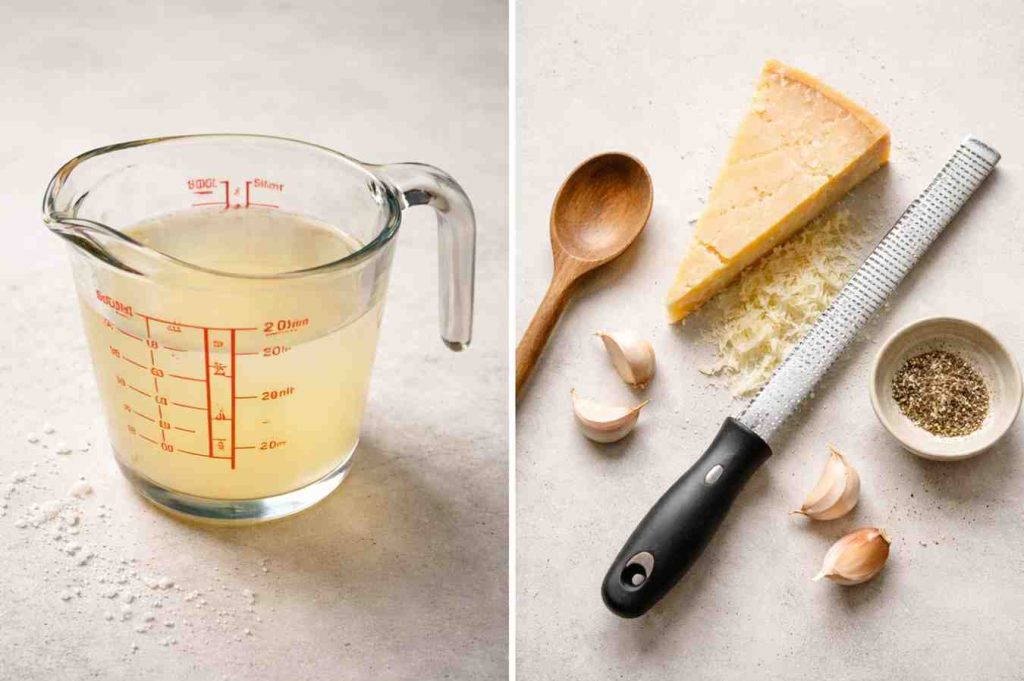
When cooking pasta: use a large pot with plenty of water, and salt the water generously so the noodles absorb flavor (it should taste like the sea). Boil pasta until al dente – firm but tender. Reserve a cup of the starchy cooking water before draining; adding a splash of this to your sauce helps it emulsify and coat the pasta beautifully.
General tips include:
- Match shape to sauce: Narrow shapes like spaghetti suit light, oil-based sauces (aglio e olio, carbonara), while wide ribbons or tubes (fettuccine, penne, rigatoni) pair well with chunky ragùs or creamy sauces. (See Table:
- Spaghetti – versatile; good with almost any sauce.
- Penne/Rigatoni – hold chunky, cream or meat sauces in their grooves.
- Farfalle (bows) – fun in salads or with pesto/cream.
- Shells – great for soups or stuffing.
)
- Don’t rinse after draining (except if using in a cold pasta salad) – you want the sauce to cling to the noodles.
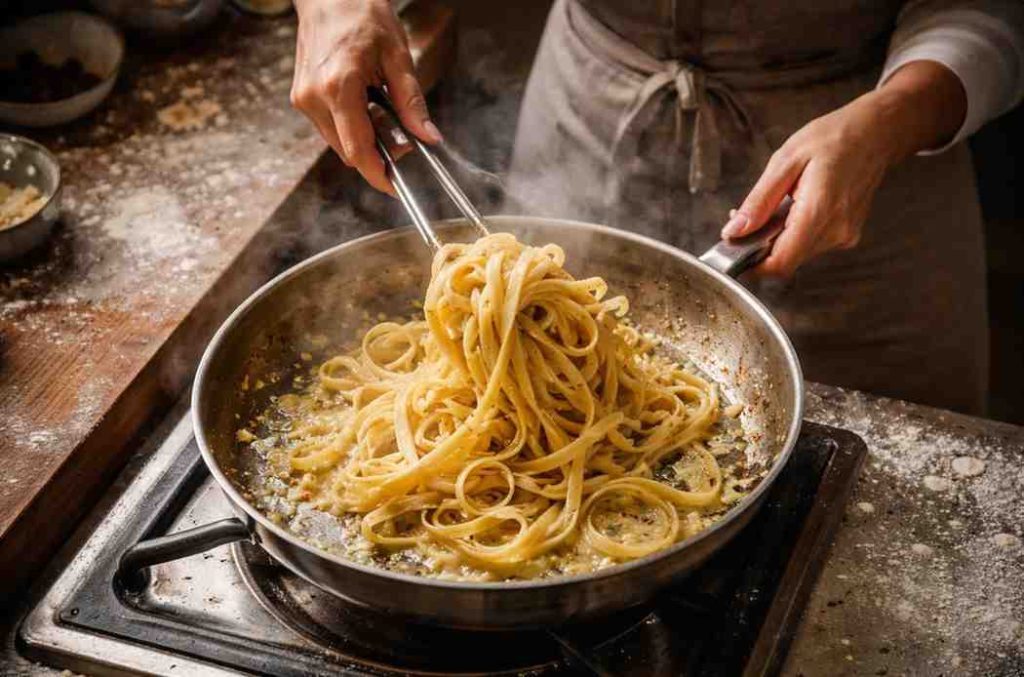
- Finish in the pan: Toss pasta with sauce on the heat for a minute or two. The starchy water helps create a silky emulsion. For Cacio e Pepe, traditional technique is to work the cheese and pasta water together in the pan until a smooth cream forms.
- Season well: Pasta dough has a bit of salt, but the real seasoning comes from the water and the sauce. Taste and adjust salt and pepper in your sauce (even though carbonara, for example, relies on salty guanciale and cheese for seasoning).
- Use fresh garnishes: A sprinkle of freshly grated Parmigiano or Pecorino, torn basil or flat-leaf parsley, or a drizzle of high-quality extra-virgin olive oil can elevate a simple dish. Even though classics like aglio e olio use no cheese traditionally, a personal touch (like freshly ground pepper or a squeeze of lemon) can make it your own.
- Serious Eats: The Science of Pasta Water
King Arthur Baking: Gluten-Free Fettuccine Option
❓ FAQs (Coming Next — You Tell Me What to Answer)
Before I write this section, please reply with 3-5 specific questions your readers ask about fettuccine.
Examples:
“Why is my fettuccine always mushy?”
“Can I make fettuccine without Parmesan?” - “How do I reheat fettuccine so it’s not dry?”
- Just send your questions and I’ll add detailed answers here.
Call to Action (CTA)
Did this change your mind about Italian food? Share your “Sweet Pasta” experiment on social media and tag us. I want to see the faces of your dinner guests when you tell them there are anchovies in the dessert spaghetti.
If you want to dive deeper into forgotten culinary arts, subscribe to our newsletter below for a free PDF download: “10 Ancient Recipes That Will Break Your Brain.”